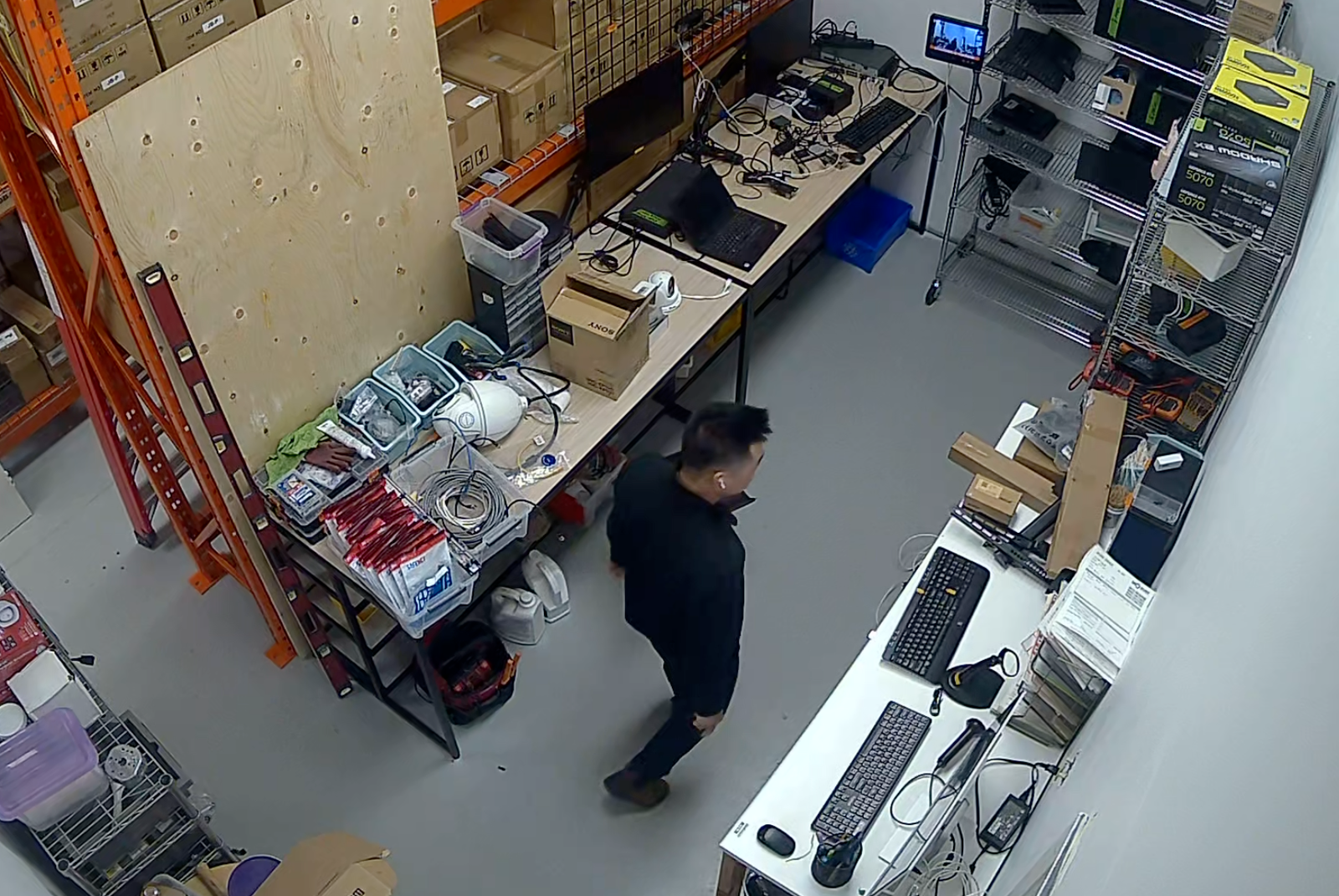
What if your cameras caught the theft —
not just recorded it?
$50 billion in employee theft. $35 billion in cargo theft. $4 billion in warehouse injuries. Most of it preventable. Most of it undetected until it's too late.
See what changes1 in 35 employees is stealing from you right now. The cameras are recording it. Nobody's watching.
How much inventory walked out the door last quarter? How many "shorts" were actually shorts — and how many were something else? When was the last time you reviewed loading dock footage and actually found something useful?
Your cameras are on. Your facility is recorded. But recording isn't protecting. 42% of all shrinkage comes from inside — your own people, during their own shifts, through the same doors they use every day. And you won't find it by scrubbing through footage after the inventory count.
What if your system caught it while it was happening — not weeks after it was gone?
"Shrinkage is eating our margins and we can't figure out where it's coming from."
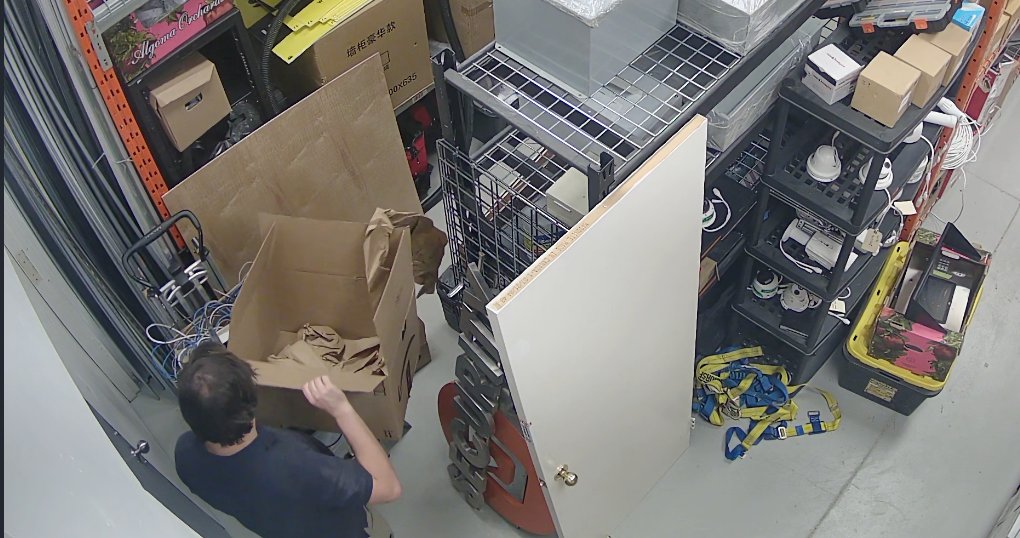
Your loading dock is where $274,000 disappears in a single event.
41% of cargo theft now happens inside the warehouse — not in transit. Short orders, colluding drivers, unauthorized pickups, inventory manipulation. It's not smash-and-grab. It's systematic, repeated, and invisible until the numbers don't add up.
What if every shipment was logged with video? What if unauthorized access to the loading dock triggered an instant alert? What if you could search "person carrying boxes at dock 3, Tuesday night" and get an answer in seconds instead of reviewing eight hours of footage?
After-Hours Alert
Warehouse Zone B · Armed
2:14 AM · Motion detected — Dock 2
No scheduled activity · video clip captured
2:14 AM · Vehicle at loading bay
Plate captured · not on schedule · alert sent
2:15 AM · Management notified
Video + plate + location · 45 seconds
Your warehouse sits empty 16 hours a day. Is anyone watching?
After-hours is when it happens. The night shift is thin. The facility is quiet. A vehicle at the loading bay at 2 AM should raise an alarm — but most systems just record it silently for nobody to find.
AI-powered zones that arm themselves on schedule. Motion in a restricted area triggers a video alert — not just "motion detected" but actual footage with plate number and location. You verify from your phone in seconds.
"What if someone gets hurt and we don't have footage?"

A warehouse injury costs $41,000 on average. Video evidence cuts that in half — or proves it never happened.
Your injury rate is double the national average. 5.5 incidents per 100 workers. Forklifts alone cause 35,000 injuries a year. And when a workers' comp claim lands on your desk, the first question is: "Do you have footage?"
What if near-misses were flagged before they became injuries? What if a forklift entering a pedestrian zone triggered an alert? What if slip hazards were detected and your team was notified with a photo and location in 60 seconds? That's not just safety — that's documentation your insurance company and OSHA auditor will ask for.
70%
of forklift accidents are preventable
Forklift zone monitoring.
Pedestrians in forklift zones. Forklifts exceeding speed in aisles. Operators without seatbelts. The system flags it in real time — before it becomes one of the 84 fatalities this year.
$15K
per OSHA violation
Compliance documentation that's already done.
Continuous video documentation of safety practices, PPE compliance, and incident circumstances. When the auditor asks, the footage is there — timestamped, searchable, and organized.
"I need to know who is in my building at all times."
Access Control Dashboard
People on site now
47
Employees
38
Contractors
6
Visitors
3
Unauthorized attempts today
2
70% of facilities struggle with contractor and visitor management. Yours doesn't have to.
Contractors with expired credentials. Visitors with no sign-in. Delivery drivers who wander past the dock. 1 in 5 security breaches originates from someone who had trusted access they shouldn't have.
Real-time occupancy tracking. Credential verification at every entry point. Automatic alerts for unauthorized access attempts. And during an emergency, you know exactly who's in the building — not guessing from a paper log.
"I can't be at every location at once."
One dashboard. Every facility. Every camera. Every alert.
When you're running two locations — or twenty — you need a single view of what's happening across all of them. Not three logins, three vendors, and three different systems that don't talk to each other.
Centralized monitoring from your phone or desktop. Consistent policies enforced across every site. Consolidated reporting for insurance, compliance, and operations. You manage the business — the system manages itself.
Your system monitors its own health — and fixes itself before you notice.
Camera drops at 3 AM? Automatically restarted. Storage filling up? Flagged and managed before you lose footage. Firmware out of date? Updated remotely. 90% of issues resolved without a truck roll — faster fixes, less downtime, and thousands saved in service calls.
And when you call, someone picks up. Someone who knows your facility, your zones, and your systems. Not a ticket number. Not a callback in three days.
The system pays for itself. Usually within 12 months.
60-80% reduction in theft. 5-20% off your insurance premiums. 15-25% productivity gains in monitored areas. Fewer fraudulent workers' comp claims. Faster incident resolution. Less shrinkage on every inventory count.
The question isn't whether you can afford the security upgrade. It's how much the current gaps are already costing you.
60-80%
theft reduction with full monitoring
5-20%
insurance premium savings
15-25%
productivity gains in monitored areas
12 mo
typical ROI timeline
What if you could see exactly where the losses are — and stop them before next quarter's count?
15 minutes. You tell us what's happening at your facility. You get a clear picture of where the gaps are, what it would take to close them, and what the ROI looks like. No catalog. No pitch. Just answers.
Every week without visibility is a week you're losing inventory you'll never account for.
One conversation. You describe what's going on. You get an honest answer on what it would take to fix it. No obligation. If it's not a fit, you'll hear that too.
Start With a Free Consultation