Your tenants don't leave for cheaper rent.
They leave because they don't feel safe.
Replacing a commercial tenant costs $32,000 on average. The buildings that retain tenants and command premium rents aren't the newest — they're the ones where security actually works.
See what that looks likeEvery vacant suite costs you $32,000. Most of them were preventable.
What makes a commercial tenant renew at premium rates? What makes them choose your building over the one down the street? What makes them stay when the market gives them cheaper options?
It's not just the lobby or the location. It's whether their employees feel safe walking to the parking garage after working late. Whether the loading dock is monitored. Whether the building management responds before tenants have to ask twice.
59% of tenants are actively exploring relocation to higher-quality space. Buildings with modern amenities and security command 84% higher rents. And a one-point increase in tenant satisfaction makes them 8.6% more likely to renew their lease.
What if your building's security was the reason they stayed — and the reason the waitlist grew?
"I need to feel safe walking to my car after working late."
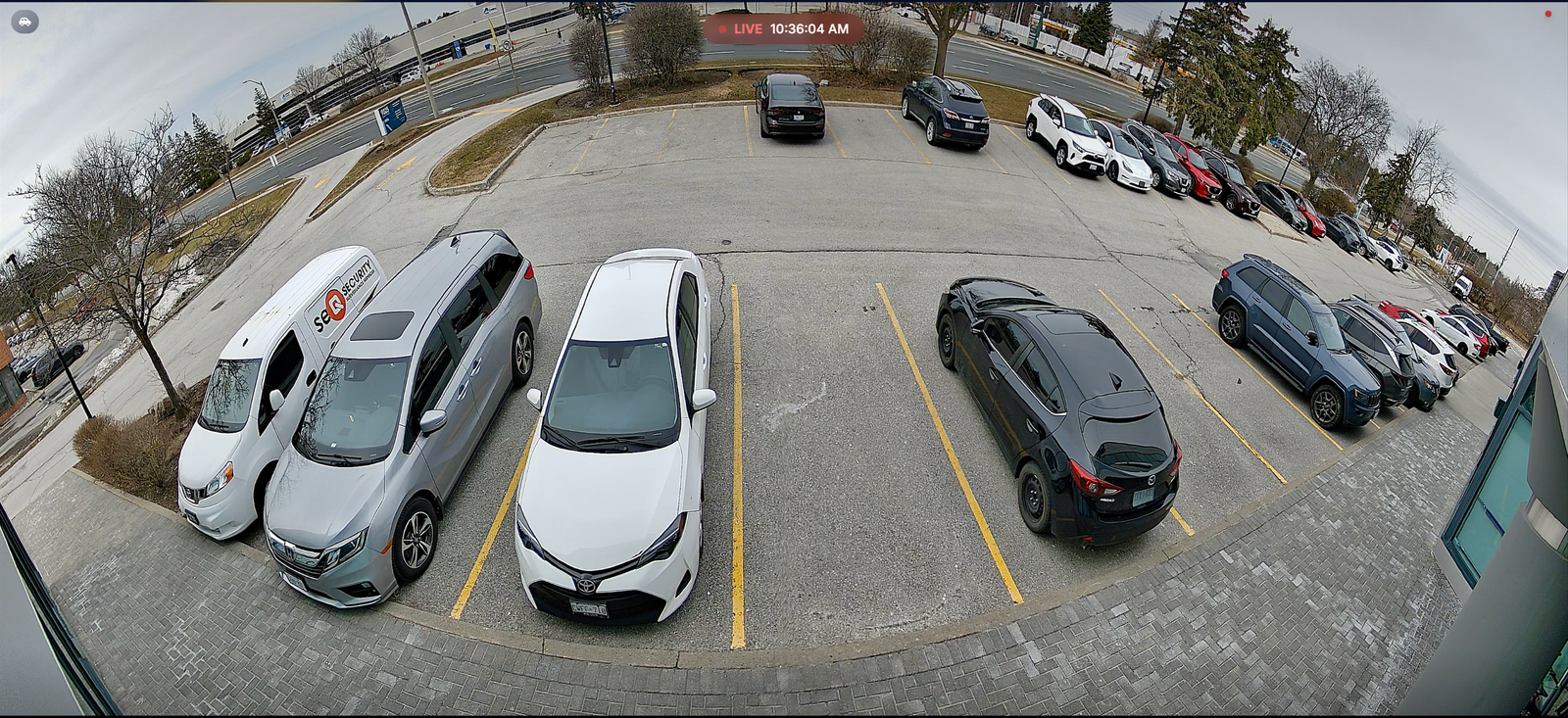
Your parking area is either a reason tenants stay — or a reason they leave.
20% of all violent crime happens in parking lots and garages. When a tenant's employee doesn't feel safe at 7 PM, that's not a security complaint — that's a lease renewal at risk. One parking garage incident that hits social media can turn your vacancy problem from manageable to critical.
Real-time monitored cameras with AI-powered alerts for loitering, tailgating, and after-hours activity. License plate recognition that knows who belongs and flags who doesn't. Your tenants feel the difference — and so do their employees.
"We have cameras from one vendor, alarms from another, access control from a third. Nothing talks to each other."
Unified System
9:47 PM · Alarm triggered — Suite 310
Camera auto-pulled · video clip attached
9:47 PM · Access log — no credential used
Door forced · no badge on record
9:48 PM · Alert sent to management
Full context: alarm + video + access log · 1 min
One system. Full picture. Instant response.
When an alarm triggers, you should see what happened — not start a scavenger hunt.
Right now, an alarm goes off and you know something triggered — but you still need to log into a different system to pull the camera, and a third to check the access log. Investigating anything means three logins, three vendors, and an hour of your time.
What if the alarm automatically pulled the camera, cross-referenced the access log, and sent you a complete picture — video, badge data, and timeline — in under a minute? That's not three systems working separately. That's one system that actually works.
"I'm exposed to premises liability and I'm not sure my current system protects me."
Negligent Security Verdicts
$42.7M
Parking lot robbery — inadequate lighting
$5.6M
Cameras non-functional for 2+ years
In both cases, the court found the property owner knew — or should have known.
"We had cameras" isn't a defense if they weren't working.
Negligent security verdicts have reached $42.7 million. The standard isn't whether you had equipment — it's whether you maintained it, whether you knew about vulnerabilities, and whether you acted. Ignoring tenant complaints about broken cameras, poor lighting, or non-functional access control creates direct liability.
What if every camera was verified operational? What if system health was documented continuously — so when your legal team needs to prove your security was active and maintained, the records are already there? That's not paranoia. That's due diligence that pays for itself the first time it matters.
"Most thefts happen through the loading dock. And we don't find out until the inventory count."
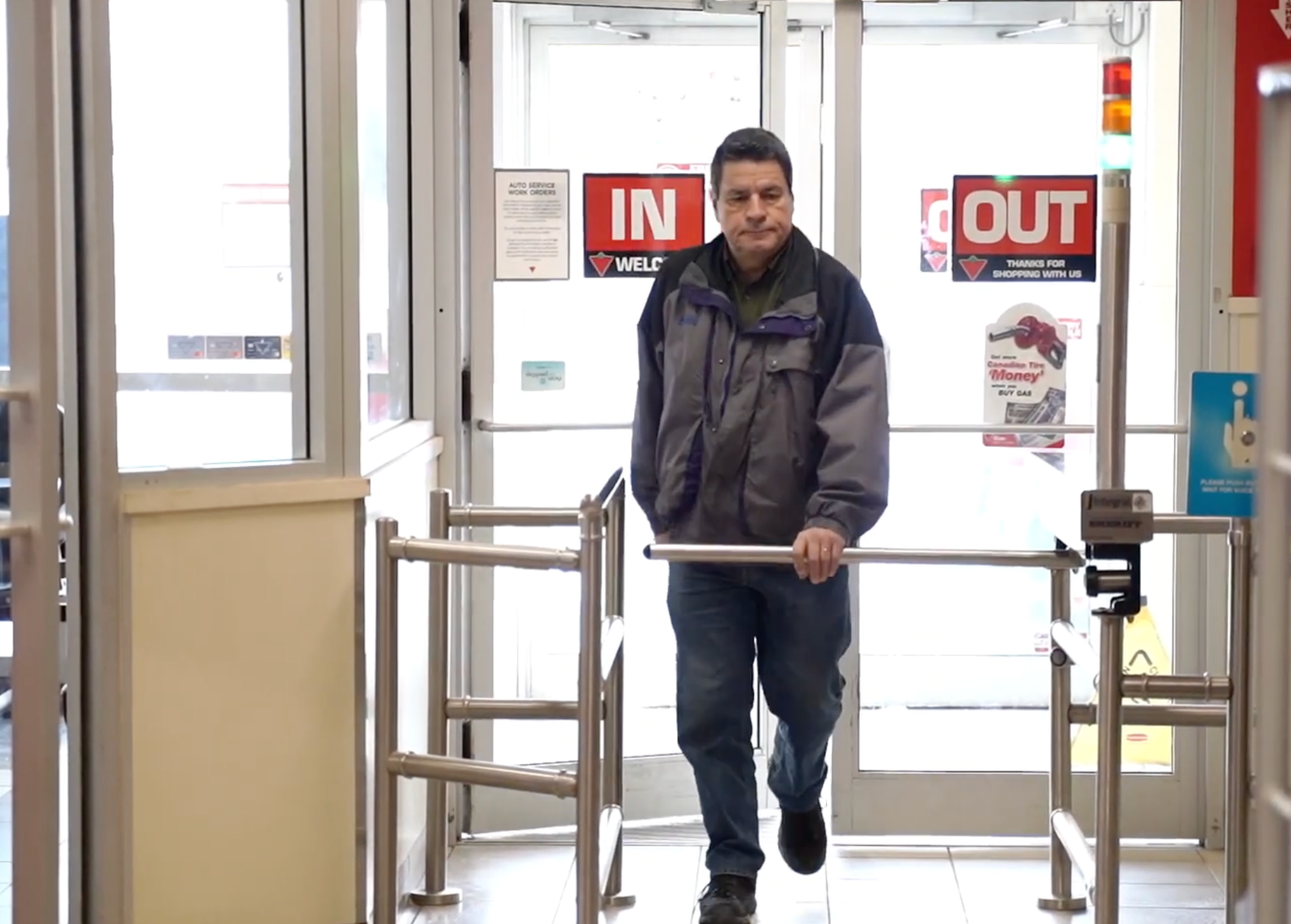
Your loading dock is either monitored — or it's an open invitation.
Cargo theft increased 15% last year. The average stolen shipment: $214,000. Most breaches don't happen through forced entry — they happen during off-hours or busy shifts when oversight is thin and service entrances get propped open.
AI-powered cameras that detect after-hours activity, unauthorized access, and unusual patterns at the loading dock. Propped doors trigger instant alerts. Every entry is logged with video. Your tenants' inventory is protected by a system that watches when nobody else does.
"Something breaks at 2 AM and my security vendor doesn't pick up until Monday."
System Health
Last 30 days · all building systems
Issues detected
9
Resolved remotely
8
Required site visit
1
Avg resolution time
18 min
Service calls saved
$2,400
90% of issues fixed remotely — before your tenants even notice.
Camera offline? Fixed in minutes. Access control glitch? Resolved remotely. Intercom down? Restarted before the first complaint. 90% of issues never need a truck roll — which means faster fixes, less downtime, and thousands saved in service calls every year.
And when you call, a person picks up — someone who knows your building, your systems, and your tenants. Not a phone tree. Not a ticket number.
Spending $200K a year on guards — and still getting complaints?
A single security guard costs $3,000-$5,000 a month — and can only be in one place at a time. Your building has dozens of blind spots, multiple entrances, a parking garage, and a loading dock. One guard walking a route can't cover that.
What if every corner was monitored continuously — AI-powered cameras detecting and alerting on suspicious activity 24/7 — with guards deployed only when and where they're actually needed? Your coverage improves. Your cost drops. And you have footage and data to prove it's working, not just a warm body making rounds.
Live video monitoring reports up to 85% fewer incidents vs. no monitoring. The best approach isn't guards OR cameras. It's cameras that are smart enough to tell the guard exactly where to go.
Security isn't a cost center. It's a revenue driver.
Prime buildings command 84% higher rents than the rest of the market. A 10% improvement in tenant satisfaction correlates with nearly 1% higher rent growth. Comprehensive security systems reduce insurance premiums by 5-20%. And every tenant you retain saves $32,000 in turnover costs.
The math is simple: better security → happier tenants → longer leases → higher rents → lower insurance → better NOI. The building that invests in security doesn't just protect its tenants. It protects its bottom line.
84%
rent premium that prime buildings command over the rest of the market.
$32K
average cost to replace a single commercial tenant.
5-20%
insurance premium reduction with comprehensive, maintained security systems.
Commercial property teams that made the call.




What if your building's security was the reason tenants paid premium rent — and told others to do the same?
15 minutes. You tell us what's happening at your property. You get a clear picture of what's fixable, what it would take, and how it would change your tenants' experience. No catalog. No pitch. Just answers.
Better security. Better tenants. Better returns. It starts here.
One conversation. You describe what's going on at your property. You get an honest answer on what it would take to fix it. No obligation. If it's not a fit, you'll hear that too.
Start With a Free Consultation